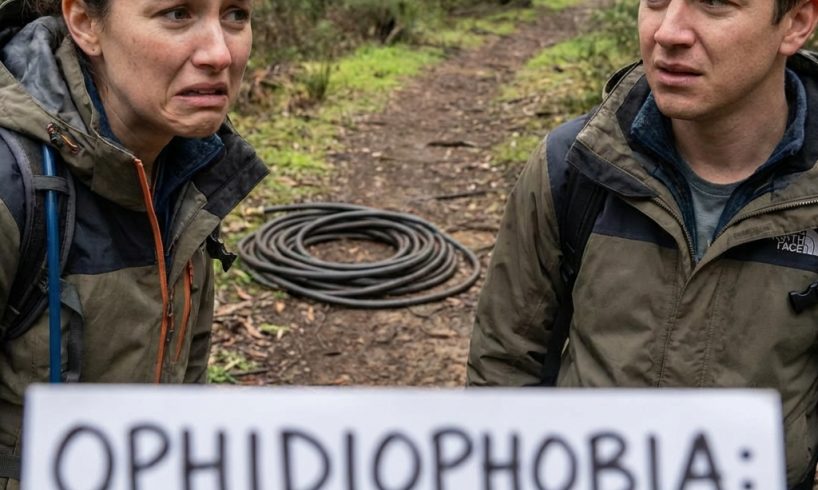
Fear of Snakes (Ophidiophobia): Signs, Triggers, and Effective Coping Strategies
The fear of snakes, clinically known as ophidiophobia, is one of the most common animal-related phobias in the world. While some level of fear toward snakes is natural, ophidiophobia goes far beyond basic caution. It is an intense, persistent fear that can trigger anxiety, panic, and avoidance even when there is no real threat present.
For people living with ophidiophobia, the fear can feel immediate and uncontrollable. Seeing a snake in a zoo, on television, or even in a photo can provoke a strong emotional and physical response. Understanding the signs, identifying common triggers, and learning effective coping strategies can help reduce the impact of this phobia and restore a sense of control.
What Is Ophidiophobia?
Ophidiophobia is classified as a specific phobia, which is a type of anxiety disorder involving an excessive and irrational fear of a specific object. In this case, the object of fear is snakes. The term comes from the Greek words ophis meaning snake and phobos meaning fear.
Unlike a rational fear that helps people stay safe, ophidiophobia persists even in harmless situations. The brain perceives snakes as an immediate threat, activating the fight-or-flight response regardless of context. This reaction is automatic and deeply rooted, making the fear feel very real.
Signs and Symptoms of Ophidiophobia
Physical Signs
Physical symptoms are often the first noticeable signs of ophidiophobia. These may include a racing heartbeat, sweating, trembling, dizziness, nausea, shortness of breath, and muscle tension. These reactions occur because the body releases adrenaline in response to a perceived threat.
Even when the person knows logically that they are safe, the physical symptoms can feel intense and difficult to control, reinforcing the fear.
Emotional and Psychological Signs
Emotionally, ophidiophobia can cause intense anxiety, panic, dread, and a sense of helplessness. People may experience intrusive thoughts about snakes or feel overwhelmed when anticipating a possible encounter. Shame or embarrassment is also common, especially if others dismiss the fear as irrational.
Behavioral Signs
Avoidance is a key behavioral sign of ophidiophobia. Individuals may avoid parks, hiking trails, zoos, camping trips, or even online content where snakes might appear. While avoidance may reduce anxiety temporarily, it often strengthens the phobia over time.
Common Triggers of Ophidiophobia
Triggers for ophidiophobia vary from person to person. Some people are triggered by real-life encounters, while others react strongly to images, videos, or even conversations about snakes. Sudden movements, snake-like shapes, or unexpected appearances can intensify fear.
Environmental triggers may include outdoor settings, tall grass, forests, or warm climates where snakes are commonly associated. Emotional triggers such as stress or fatigue can also lower tolerance and increase fear responses.
Effective Coping Strategies for Ophidiophobia
Breathing and Relaxation Techniques
Controlled breathing and relaxation exercises are powerful tools for managing anxiety. Deep, slow breathing helps calm the nervous system and reduce physical symptoms. Progressive muscle relaxation can also release tension and create a sense of control.
Education and Understanding
Learning factual information about snakes can help reduce fear by replacing myths with reality. Understanding snake behavior, habitats, and actual risk levels can shift perception and weaken irrational beliefs.
Gradual Exposure
Gradual exposure involves slowly and safely facing snake-related stimuli. This may begin with looking at pictures or watching videos and progress at a comfortable pace. Repeated exposure helps desensitize the fear response over time.
Professional Support
Therapy, particularly cognitive behavioral therapy and exposure therapy, is highly effective for ophidiophobia. A trained professional can guide individuals through structured techniques that address both thoughts and behaviors associated with fear.
Conclusion
Ophidiophobia can be distressing, but it is also highly manageable. By recognizing the signs, identifying triggers, and practicing effective coping strategies, individuals can reduce the intensity of their fear.
Fear may feel powerful, but with patience, education, and the right tools, it does not have to control your life. Progress often happens one small step at a time.