Are you finding it hard to steady yourself when change and uncertainty show up uninvited?
Buy The ‘Learning To Adjust Effectively’ Guide
Learning To Adjust Effectively During Change And Uncertainty
Change and uncertain situations can feel overwhelming, but you can learn to respond with skill instead of reacting with stress. This article walks you through how to develop mental fitness so you can adjust more effectively, with practical training, exercises, habits, routines, and techniques you can apply right away.
Purchase The EBook On Adapting To Change And Uncertainty
Why adjusting well matters
When you learn to adjust well, you reduce unnecessary stress, make better decisions, and maintain clearer relationships. You also preserve your energy and can remain effective even when the situation is messy or ambiguous.
What mental fitness means for adjustment
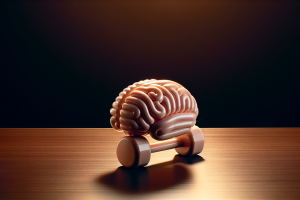
Mental fitness is the set of skills, habits, and routines that keep your mind flexible, resilient, and able to perform under pressure. Just like physical fitness, mental fitness improves with consistent training and thoughtful recovery.
How mental fitness relates to change and uncertainty
Your ability to adapt in uncertain times depends on several overlapping mental fitness capacities: emotional regulation, cognitive flexibility, stress tolerance, and goal focus. Strengthening these areas helps you tolerate ambiguity and act from choice rather than from fear.
The difference between resilience and adaptability
Resilience is your capacity to recover after setbacks; adaptability is your ability to change course proactively when conditions change. You’ll develop both through targeted mental fitness training, but the techniques you use will differ slightly depending on whether you need to bounce back or shift direction.
The neuroscience behind adapting
Your brain continuously predicts what will happen next. When the environment changes, prediction errors create stress and distraction. You can train your brain to handle prediction errors by practicing exposure to uncertainty, improving cognitive flexibility, and strengthening emotional regulation pathways.
How stress affects cognition
Acute stress narrows your attention and pushes you into habit-based responses, which can be useful for immediate danger but harmful when you need creative problem-solving. Training stress tolerance and practicing cognitive control help you maintain higher-order thinking during pressure.
Neuroplasticity is on your side
Your brain remains adaptable across your life. With repetition and progressive challenge, you create new neural pathways that support flexible thinking and calm response to uncertainty. You are not stuck with your current pattern; you can change it.
Core mental fitness skills to build
Below are the essential skills you’ll want to cultivate to adjust effectively. Each skill supports specific situations and can be practiced deliberately.
Self-awareness
You recognize your emotional and cognitive states quickly. When you notice stress, you can choose strategies to regulate it before you act impulsively.
Emotional regulation
You manage intense emotions so they don’t hijack your decisions. This doesn’t mean suppressing feelings; it means naming them, allowing them, and using tools to shift your state.
Cognitive flexibility
You can reframe situations, shift perspectives, and entertain multiple hypotheses. Cognitive flexibility makes problem-solving smoother when old assumptions no longer apply.
Stress tolerance
You sustain effectiveness under pressure and recover faster. Stress tolerance is a muscle you strengthen with graduated exposure to demanding situations and supportive recovery routines.
Problem-solving and decision-making
You break complex problems into manageable parts and use clear criteria to make decisions even when information is incomplete. This skill helps you act decisively without waiting for perfect data.
Learning orientation
You seek feedback and treat setbacks as data. A learning orientation keeps you iterating and improving rather than getting stuck in blame or rumination.
Social connectedness
You use relationships for support, perspective, and practical help. Social capital accelerates your ability to adapt because you don’t have to carry everything alone.
Self-care and energy management
You prioritize rest, movement, nutrition, and boundaries so your cognitive resources stay available. Adjustment requires energy; self-care preserves it.
Mental fitness training: how to practice
Training mental fitness is like training a sport: choose specific skills, practice them deliberately, gradually increase difficulty, and rest. You’ll see better results if you include varied methods and measure your progress.
Structure your training
Set clear goals for what you want to improve, create short daily practices, include weekly skill sessions, and schedule recovery. Consistency matters more than duration; small daily habits compound.
Mix skill work with exposure
Combine focused mental practice (like deliberate reframing) with real-world exposures (like taking on a minor unpredictable task). Exposure builds stress tolerance while practice builds the tools to handle it.
Mental fitness exercises you can use today
Here are practical exercises you can do. Each one targets a specific skill and takes only a few minutes to practice. Try several to see which fit you best.
| Exercise | Target skill | Time |
|---|---|---|
| Three-Breath Reset | Emotional regulation, stress tolerance | 1–2 minutes |
| Name-It-to-Tame-It (Labeling) | Self-awareness, emotional regulation | 1–3 minutes |
| Cognitive Reframing | Cognitive flexibility | 5–10 minutes |
| 5-4-3-2-1 Grounding | Stress tolerance | 2–5 minutes |
| Brief Journaling (What, So What, Now What) | Learning orientation, decision-making | 10–15 minutes |
| Behavioral Activation (Small Win List) | Motivation, energy management | 5–10 minutes |
| Exposure Task (Take a small, unpredictable action) | Stress tolerance, learning orientation | 10–30 minutes |
| Visualization of Process | Problem-solving, preparation | 5–10 minutes |
| Gratitude or Positivity Ratio | Emotional regulation | 2–5 minutes |
How to use the Three-Breath Reset
When you notice tension, stop what you’re doing, inhale slowly through the nose for 4 counts, hold 2 counts, exhale for 6 counts. Repeat three times. This simple ritual down-regulates your nervous system and gives you space to choose a response.
How to use Cognitive Reframing
Write down the automatic thought that’s limiting you. Ask: What evidence supports this thought? What evidence contradicts it? What alternative interpretation would be useful? Choose a more balanced thought and test it in behavior.
Mental fitness habits that build consistency
Habits are the backbone of durable change. Select a few habits and make them non-negotiable. Below are high-impact habits for adjusting during change.
Daily practices to prioritize
- Morning check-in: 3 minutes to note intentions and one priority.
- Midday reset: brief movement and a breath exercise.
- Evening reflection: 5–10 minutes of journaling on learning and wins.
Weekly habits
- Skill session: 20–40 minutes practicing a mental fitness exercise or learning a technique.
- Social check-in: call or meet someone who offers honest perspective.
- Recovery block: schedule at least one longer rest period for mental reset.
Habit formation tips
Start tiny, anchor habits to existing routines, track them, and use habit stacking (linking a new habit to a consistent cue). Celebrate small wins to reinforce consistency.
Mental fitness routines for different contexts
Routines let you conserve decision energy and respond more predictably when things go sideways. Create routines for work, family stressors, and times of transition.
Morning routine for steadiness
A morning routine that primes your mental fitness might include hydration, a short movement, a breath practice, and a single prioritized task. This routine gives your brain a calm starting point instead of reactive stress.
On-the-job routine for unexpected change
When a sudden problem appears at work, follow a standard sequence: pause (three breaths), gather key facts (60–90 seconds), reframe options (5 minutes), decide next steps, and communicate clearly. A standard sequence reduces noise and accelerates action.
Evening routine for processing change
At the end of challenging days, run a short reflection: what happened, what did you learn, what will you try differently tomorrow. This routine converts stress into learning and prevents rumination.
Techniques to use in the moment
When uncertainty spikes, you’ll want a toolbox of quick techniques to regain composure and choose a path forward. Below are rapid interventions you can use anywhere.
Grounding with the five senses
Name five things you see, four you feel, three you hear, two you smell, one you taste (or one thing you notice inside your body). This brings you into the present and lowers reactivity.
The S.T.O.P. method
S — Stop
T — Take a breath
O — Observe what’s happening (thoughts, feelings, body)
P — Proceed with intention
This method slows impulsive reactions and brings you toward choiceful action.
Box Breathing for activation control
Inhale 4, hold 4, exhale 4, hold 4. Repeat several times until your heart rate and thoughts feel steadier. This is especially helpful before a difficult conversation or decision.
Micro-decisions to move forward
Break decisions into micro-decisions you can act on quickly (e.g., decide to gather one more piece of information, draft a one-paragraph plan, or test an assumption in 24 hours). Micro-decisions reduce paralysis.
Structuring exposure to uncertainty
To build tolerance, you should intentionally practice facing small, controlled uncertainties and increase their difficulty over time. This is similar to progressive overload in physical training.
Creating an exposure ladder
List uncertain situations from mildly uncomfortable to very uncomfortable. Schedule practice sessions starting with the easiest items and move up as you gain confidence. Keep notes on what worked and what felt manageable.
Examples of small exposure tasks
- Volunteer to lead a short meeting with an ambiguous agenda.
- Try a spontaneous social step, like calling someone without planning the exact script.
- Introduce a minor change to your routine and observe the result.
Developing long-term mental fitness
Long-term development requires planning, measurement, and periodic reassessment. Think in cycles: plan — practice — review — adjust.
Periodize your training
Alternate between phases of skill acquisition (learning new techniques), consolidation (repeating them until automatic), and recovery (rest and reflection). This prevents burnout and supports growth.
Track progress with simple metrics
Use both quantitative and qualitative markers: number of practice sessions completed, stress levels on a 1–10 scale, number of adaptive decisions made, and personal reflections on confidence. Review monthly.
Creating your personalized mental fitness plan
A personalized plan ties goals, practices, and measures together. Use the steps below to create a plan you’ll actually follow.
Step-by-step planning
- Identify two adaptation goals (e.g., stay calm during work restructuring; improve decision-making during uncertainty).
- Choose two core skills to develop for each goal.
- Select daily, weekly, and monthly practices for those skills.
- Schedule time blocks in your calendar for practice and recovery.
- Define two metrics to track.
- Review and adjust every 2–4 weeks.
Example plan table
| Component | Example entry |
|---|---|
| Goal 1 | Stay calm when project scope changes |
| Skills | Emotional regulation, cognitive flexibility |
| Daily practice | 3-minute morning breath + journaling of one adaptive thought |
| Weekly practice | 20-minute cognitive reframing session; 1 exposure task |
| Metrics | Daily stress rating; number of reframes tried |
| Review cadence | Weekly short review + monthly deep reflection |
Measuring improvement and development
Measuring helps you stay motivated and spot what’s working. Use mixed methods: self-ratings, behavioral indicators, and external feedback.
Simple metrics to use
- Self-rated stress before and after interventions.
- Number of times you used a chosen technique during the week.
- Behavioral outcomes: decisions made, tasks completed, conversations handled.
- Feedback from a trusted colleague, friend, or coach.
How to interpret data
Look for trends rather than isolated spikes. Improvement is often gradual; small consistent gains are more meaningful than occasional breakthroughs. Adjust practices if progress stalls.
Social and environmental supports that help you adjust
You don’t have to do this solo. Structure your environment and relationships to support your mental fitness.
Creating supportive environments
Reduce unnecessary noise, automate routine decisions, and create cues for habits (e.g., a specific playlist for focus, a dedicated space for reflection). Your environment should make the adaptive choice easier.
Building a feedback network
Choose people who will give honest, constructive feedback. You can ask for quick observations after stressful events: What did you notice? What would you try next time? External perspective accelerates learning.
Common pitfalls and how to avoid them
When building mental fitness, certain traps can slow progress. Recognizing these will help you course-correct quickly.
Pitfall: Trying to change everything at once
When you attempt too many habits, you dilute focus. Choose a few high-impact practices and make them consistent before adding more.
Pitfall: Equating busyness with progress
Mindless activity isn’t skill-building. Focus on deliberate, measurable practice with reflection. Quality beats quantity.
Pitfall: Neglecting recovery
Training without recovery leads to fatigue and setbacks. Schedule downtime intentionally; rest is part of improvement.
Pitfall: Skipping social supports
Isolation increases stress and reduces learning. Engage others for accountability and perspective.
Short case examples: practical application
These brief scenarios show how you might apply tools in real situations.
Scenario 1: Sudden role change at work
You learn your responsibilities will shift with little notice. Pause and use the Three-Breath Reset. Do a quick facts-only assessment for two minutes, then identify the one thing you can do in the next 24 hours to reduce uncertainty. Schedule a 30-minute planning block and a follow-up check-in with your manager.
Scenario 2: Family uncertainty about relocation
You feel overwhelmed by mixed opinions and unknowns. Use Name-It-to-Tame-It to label emotions, then set a small exposure task: research one practical aspect (schools, commute time, job market) and discuss one emotional boundary with a family member to reduce escalation.
Scenario 3: Creative project stalled by ambiguity
When you don’t know how to proceed, apply micro-decisions: pick a tiny, testable next step that can be completed in 60–90 minutes. Use a short visualization of the process to anticipate obstacles and then act.
A 30-day plan to increase your adjustment skills
Use this practical 30-day plan to accelerate mental fitness. It includes daily micro-practices and weekly focused sessions. Adjust intensity to match your current energy level.
| Week | Daily micro-practices | Weekly focus session |
|---|---|---|
| Week 1 | Morning 3-minute breath + one prioritized task; evening 5-minute reflection | Learn and practice Three-Breath Reset + 1 exposure task (small) |
| Week 2 | Morning habit + midday 2-minute grounding; evening journaling (What, So What, Now What) | Cognitive reframing practice (20–30 minutes) + exposure ladder planning |
| Week 3 | Morning + midday reset + gratitude note; evening learning review | Practice a decision-making framework (e.g., micro-decisions) with simulated scenarios |
| Week 4 | Consolidate daily routines; add a social check-in each week | Carry out a larger exposure (lead a meeting, test a change) and review outcomes |
How to use the plan
Keep practices small and track them daily. Use weekly sessions to deepen skills and the monthly review to adjust the next block. You’ll find that small consistent actions compound into significant improvement.
Tools and resources to support your growth
You don’t need fancy tools to build mental fitness, but a few practical aids help.
Useful tools
- A simple journal (digital or paper) for reflection and tracking.
- Short guided breathing or mindfulness practices (audio or apps you already trust).
- A calendar for scheduling practice and recovery.
- A trusted conversation partner or coach for feedback.
Suggested reading topics
Look for books and articles on cognitive behavioral techniques, stress resilience, decision-making under uncertainty, and habit formation. Focus on actionable frameworks rather than theory-heavy texts.
How to keep momentum after progress stalls
Plateaus are normal. When you hit one, return to basics: check your routines, reduce scope, increase rest, and seek external feedback. Sometimes a small change in practice or a week of lighter intensity reignites growth.
Reassessing goals
Every 4–8 weeks, reassess whether your goals still reflect what matters. Change and uncertainty can shift priorities; adjust your plan to fit new realities.
Final tips for ongoing adjustment
- Start small and be consistent. Tiny practices add up.
- Make a visible cue for your core habit so you don’t forget it under stress.
- Practice both short-term techniques (resets, grounding) and long-term skills (cognitive flexibility, stress tolerance).
- Use your social network for constructive feedback and support.
- Track progress and be kind to yourself when things don’t go perfectly.
Conclusion
Adjusting during change and uncertainty is a skill you can cultivate through mental fitness training, exercises, habits, routines, and techniques. By building core skills like self-awareness, emotional regulation, and cognitive flexibility, and by practicing deliberately and consistently, you’ll make better choices, reduce wasted stress, and act with more confidence. Start with small steps, measure what matters, and give yourself permission to rest as you grow. You have the capacity to become more adaptable — and every short practice moves you closer to that goal.
Get The Resilience Toolkit — Buy Now
Unity Oneness Project Please note: all our products we sell go directly to the Unity Oneness Project so please support us, thank you.