Have you ever wished you could step into a high-pressure moment feeling steady, focused, and confident as if you’d already succeeded?
Buy The Mental Rehearsal Guide
Mental Rehearsal Methods To Improve Confidence And Focus
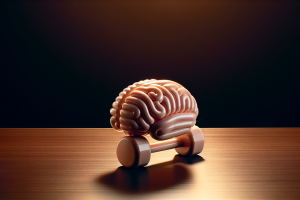
Mental rehearsal trains your mind the way physical practice trains your body. By repeatedly imagining successful performance in vivid, controlled ways, you shape neural pathways, reduce anxiety, and sharpen attention so you perform better when it counts.
Purchase Mental Rehearsal Methods
What is Mental Rehearsal and Why It Works
Mental rehearsal is the intentional imagining of actions, sensations, and outcomes before they happen. It taps into the brain’s capacity to simulate experience, strengthening the same systems involved in actual performance and building mental fitness skills like concentration and self-efficacy.
Mental Fitness and Mental Rehearsal
Mental fitness refers to your ability to manage thoughts, emotions, and attention to meet challenges effectively. Mental rehearsal is a core mental fitness technique because it develops habits, routines, and skills that make you more resilient and consistent under pressure.
Core Principles of Effective Mental Rehearsal
To get the most benefit, you’ll want to follow reliable principles that make imagery and simulation training transferable to real-world performance.
Specificity
Be specific about what you imagine. Vague images teach little; precise scenarios with concrete movements and words train the exact skills you need.
Multisensory Imagery
Include sights, sounds, smells, textures, and internal sensations. The richer the sensory detail, the more effectively your brain rehearses the pattern.
Emotional Involvement
Feel the emotions you want to have during performance—calm confidence, focused determination, or energized poise. Emotions are part of the skill you’re building.
Repetition and Spacing
Practice regularly with spaced sessions rather than one long session. Spaced repetition strengthens retention and transfer more than massed practice.
Action-Oriented Focus
Imagine yourself doing, not just observing. First-person perspectives and kinesthetic sensations (what doing feels like) are more effective than watching yourself as an outsider.
Realism and Controllability
Make images realistic but controllable. You want scenarios that are true to real situations, yet you should be able to run the scene multiple times with positive outcomes so you build confidence.
Mental Rehearsal Techniques (Step-by-step)
Below are practical methods you can use. Each technique includes quick steps so you can start practicing immediately.
Visualization (First-Person)
Visualization puts you in the scene, performing successfully from your own perspective.
- Step 1: Sit comfortably, breathe slowly, and relax your muscles.
- Step 2: Close your eyes and picture the exact environment where performance will occur.
- Step 3: See, hear, and feel yourself executing the key actions perfectly.
- Step 4: Include the emotions and calm focus you want to feel.
- Step 5: Repeat for 5–10 minutes, pausing to replay problem spots until they feel confident.
Guided Imagery (Scripted)
Guided imagery uses a prepared script to direct your rehearsal.
- Step 1: Create or use a recorded script that walks you through the event.
- Step 2: Use a calm voice or audio guide that cues sensory detail and decision points.
- Step 3: Follow the script, adding your own internal reactions and feelings.
- Step 4: Record improvements and modify the script as your confidence grows.
Cognitive Rehearsal (Mental Scripting)
Cognitive rehearsal focuses on thought patterns and decision-making in key moments.
- Step 1: Identify critical decisions or thoughts you want to practice (e.g., “Breathe and slow down”).
- Step 2: Write a short internal script you will say mentally in those moments.
- Step 3: Rehearse scenarios where those thoughts appear, repeating the script until it becomes automatic.
Mental Contrasting
Mental contrasting pairs positive visualization with realistic obstacles, increasing motivation and planning.
- Step 1: Visualize your best outcome in vivid detail.
- Step 2: Then imagine the main obstacles that could block it.
- Step 3: Generate specific if-then plans (implementation intentions) to address each obstacle.
Implementation Intentions (If-Then Planning)
If-then plans turn mental rehearsal into automatic responses.
- Step 1: Identify the trigger you need to manage (e.g., a tough question).
- Step 2: Create a concise plan: “If X happens, then I will do Y.”
- Step 3: Rehearse the trigger and your planned response until the pattern is automatic.
Motor Imagery (for Physical Skills)
Motor imagery focuses on the feel of movement and timing.
- Step 1: Visualize the exact sequence of muscle activations and timing.
- Step 2: Emphasize kinesthetic sensations—weight transfer, tension, release.
- Step 3: Alternate short mental practice with micro physical repetitions if appropriate.
Progressive Muscle Relaxation + Imagery
Combining relaxation with imagery sharpens focus by lowering anxiety.
- Step 1: Progressive relax body from toes to head.
- Step 2: While relaxed, imagine performing calmly and confidently.
- Step 3: Anchor the relaxed state with a cue word (e.g., “steady”) that you rehearse mentally.
Exposure-Based Mental Rehearsal
Use graded mental exposure to reduce fear of high-pressure elements.
- Step 1: Start with low-intensity imagery of the challenge.
- Step 2: Gradually increase the intensity, simulating more pressure each step.
- Step 3: Include coping strategies in the images and rehearse their success.
Pre-Performance Routine Rehearsal
Create a consistent mental and physical sequence before performance.
- Step 1: Define 4–6 steps you will do before you begin (breath, visualize, check posture).
- Step 2: Practice the routine mentally and physically until it becomes automatic.
- Step 3: Use the routine to anchor focus and reduce last-minute anxiety.
Virtual and Video Simulation
Use recorded video or VR to make imagery more realistic and measurable.
- Step 1: Record a simulated performance environment or use VR scenarios.
- Step 2: Watch and mentally rehearse the actions you will take in the recording.
- Step 3: Add layers—sound, time pressure, interruptions—to test focus.
Mental Fitness Exercises and Habits to Build Confidence and Focus
Consistency matters. These exercises are designed as habits you can build into your day-to-day life to grow mental fitness.
Daily 5-Minute Visualization
Short, daily imagery sessions produce compounding benefits.
- How: Do a 5-minute first-person visualization of one perfect execution each morning.
- Why: It sets a positive expectation and primes your attention.
Morning Mental Fitness Routine
Start your day by orienting attention and intentions.
- Components: 2 minutes breathwork, 3 minutes morning visualization, 2 minutes goal-setting.
- Benefit: You prime focus and align your mind with your priorities.
Night Consolidation Rehearsal
End the day reinforcing learning and confidence.
- How: Mentally replay successful moments from the day, however small.
- Why: Consolidates memory and builds implicit confidence.
Focused Attention Drills
Short practices to strengthen attentional control.
- Examples: 3-minute breath-counting, single-task flow sessions, 10-minute deep work blocks.
- Outcome: Better resistance to distraction during pressure moments.
Journaling and Mental Scoreboard
Track your practice and inventory progress to maintain motivation.
- What to record: Session date, technique used, duration, subjective confidence rating, outcome.
- Use: Adjust content and frequency based on trends.
Micro-Exposure Sessions
Regularly rehearse small versions of stressful tasks.
- Examples: Give a 2-minute impromptu talk to a friend, record a short presentation video, answer a tricky question aloud.
- Benefit: Builds tolerance and familiarity with stress.
Mental Reset Cue
Develop a quick cue to reset focus when distracted.
- Process: Choose a physical cue (tap finger, inhale 3 sec) and pair it with a calming phrase.
- Practice: Rehearse the cue daily until it triggers centered attention automatically.
Designing a Mental Rehearsal Routine
A routine organizes practice so you make steady progress. Below are templates and guidance to help you design a routine that fits your goals.
Routine Design Checklist
- Identify the target skill or situation.
- Choose 1–3 rehearsal techniques that suit that skill.
- Decide session length and frequency.
- Set measurable short-term goals.
- Log results and adjust weekly.
Routine Templates (Table)
Use this table to pick an approach that matches your context. Modify time and components to fit your schedule.
| Context | Daily Time | Techniques | Weekly Focus |
|---|---|---|---|
| Sports competition | 10–20 min | Motor imagery, breathwork, pre-performance routine | Skill drills + pressure simulation |
| Public speaking | 10–15 min | Visualization, scripted rehearsal, video simulation | Opening/closing + Q&A coping |
| Exam or test | 8–12 min | Cognitive rehearsal, implementation intentions, focus drills | Problem types + time management |
| Job interview | 8–15 min | Guided imagery, if-then planning, micro-exposure | Difficult questions + calm presence |
Frequency and Duration Guidelines
- Short daily sessions (5–15 minutes) outperform infrequent long sessions.
- For high stakes, increase practice to 20–30 minutes a few times per week while keeping daily short rehearsals.
- Use a mixture of massed rehearsal for new scripts and spaced practice for consolidation.
Measuring Progress and Adjusting Your Practice
You’ll need metrics to know what’s working and when to change course.
Objective and Subjective Metrics
- Objective: Performance outcomes (time, score, success rate), number of distractions, errors.
- Subjective: Confidence rating (1–10), perceived focus level, anxiety rating.
- Use both types to get a full picture of progress.
Sample Tracking Table
Track sessions and effects with a compact table.
| Date | Technique | Duration | Confidence (1–10) | Focus (1–10) | Notes |
|---|---|---|---|---|---|
| 2026-02-01 | First-person visualization | 10 min | 6 | 5 | Struggled with opening lines |
| 2026-02-03 | If-then planning + video | 15 min | 7 | 7 | Felt calmer after cue |
How to Adjust Based on Data
- If confidence rises but performance lags, add motor imagery or real practice.
- If anxiety persists, increase graded exposure and relaxation components.
- If focus drops during sessions, shorten them and increase frequency.
Common Mistakes and Troubleshooting
Even good practice can be less effective if you make avoidable mistakes. Here’s how to fix common problems.
Mistake: Vague Imagery
Problem: Imagery is fuzzy and unrealistic. Fix: Add sensory detail—what you hear, the feel of equipment, exact words you’ll say.
Mistake: Only Observational Perspective
Problem: You’re watching yourself from outside like a movie. Fix: Switch to first-person perspective and feel the movements.
Mistake: Overly Perfect or Unrealistic Scripts
Problem: Images that ignore potential obstacles fail when stress appears. Fix: Use mental contrasting—pair success with realistic obstacles and practice responses.
Mistake: Irregular Practice
Problem: Long gaps reduce effectiveness. Fix: Shorten sessions to 3–5 minutes daily so you can be consistent.
Mistake: Ignoring Emotions
Problem: You rehearse actions but not the emotional state. Fix: Add feeling states (calm, energized) and rehearse physiological cues that produce them.
Advanced Strategies and Combining Techniques
As your mental fitness develops, you can combine techniques for greater transfer.
Interleaving and Variation
Mix different scenarios and speeds in rehearsal to build adaptability. Your brain learns to handle variability and stressors rather than one perfect script.
Simulation Under Pressure
Increase imagined pressure gradually—audiences, time limits, distractions—so you’re ready when stakes rise. Pair with coping plans you’ve practiced.
Pre-Mortem and Error Rehearsal
Rehearse possible failures and recoveries so mistakes don’t derail you. Picture a mistake, then mentally execute your recovery plan and finish strong.
Anchoring and Associative Cues
Attach physical actions to mental states (e.g., a brief hand squeeze to access calm). Rehearse the anchor until it reliably triggers the state.
Combining Imagery With Micro-Behaviors
Pair mental runs with tiny physical actions that don’t interfere but add realism—subtle breath patterns, posture changes, or hand placements. This strengthens mind-body links.
Sample Scripts and Mental Movies
Below are short script examples you can adapt. Read them aloud while imagining the scene from first-person, then rehearse mentally.
Public Speaking — Opening Script
You stand at the lectern, palms warm and grounded. You take a slow breath: “In this moment I am ready.” Your voice is steady, you make eye contact with the first row, and you deliver your opening line with calm clarity. The audience is receptive; you feel steady and purposeful.
Athletic Performance — Free Throw or Service
You feel the grip of the ball, your stance balanced, breath centered. You see the rim or court from your perspective. You perform your smooth routine—breathe, set, release—watching the ball follow the path you pictured. Confidence rises as the ball lands where you intended.
Job Interview — Difficult Question
You hear a challenging question. You take a breath, pause for two seconds, then respond with your prepared structure: “First, I would … Second, I would …” You maintain eye contact and a calm tone. The interviewer nods; you remain composed and clear.
Exam Situation — Time Management
You scan the paper and identify an easy question to start with. You set a timer for 20 minutes for the next section and imagine yourself working through problems steadily. If you get stuck, you write a quick placeholder and move on, returning later with focused energy.
Safety, Ethics, and When to Seek Help
Mental rehearsal is safe for most people, but be mindful if you experience severe anxiety, intrusive imagery, or worsening mood. These signs suggest you should consult a mental health professional. Also respect privacy and consent when using others in your simulation materials (recordings, role-plays).
When to Get Professional Support
- Imagery triggers panic attacks or intense dissociation.
- You struggle to stop repetitive negative images.
- Performance anxiety is severe enough to impair daily life.
A trained therapist or performance psychologist can adapt rehearsal strategies and provide safe exposure techniques.
Quick Start 7-Day Plan
This concise week plan builds a habit and gives you momentum. Follow it as written or adapt to your schedule.
| Day | Practice (5–15 min) | Focus |
|---|---|---|
| 1 | 5-minute first-person visualization | Opening or first action |
| 2 | 5-minute breath + imagery | Calming before start |
| 3 | 8-minute cognitive rehearsal | If-then plans for obstacles |
| 4 | 10-minute motor imagery or video review | Movement or delivery refinement |
| 5 | 5-minute micro-exposure (record yourself) | Seeing yourself perform |
| 6 | 10-minute progressive relax + imagery | Combine relaxation and confidence |
| 7 | 10–15-minute full-run rehearsal | Simulate entire performance with pressure |
Repeat a similar week with incremental increases in complexity and pressure.
Final Tips to Keep Your Mental Fitness Growing
Treat mental rehearsal as practice, not magic. Aim for consistency, track your progress, and be patient with gradual improvements. Rotate techniques, add realistic pressure, and pair mental training with physical or behavioral practice for best results. Over time, your confidence and focus will become more reliable because you trained the mental skills that support them.
If you want, you can tell me the specific situation you’re preparing for (speech, game, interview, exam), and I’ll create a tailored mental rehearsal script and a 14-day routine you can start right away.
Get The Confidence & Focus Toolkit
Unity Oneness Project Please note: all our products we sell go directly to the Unity Oneness Project so please support us, thank you.