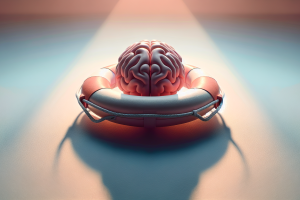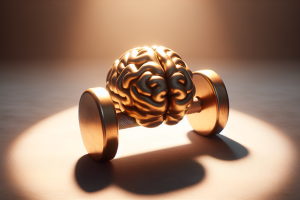
Are you looking for natural ways to calm anxiety and reset your nervous system right now?
Buy The ‘Natural Ways To Calm Anxiety And Reset The Nervous System’ Guide
Natural Ways To Calm Anxiety And Reset The Nervous System
This article gives you a friendly, practical guide to calming anxiety and resetting your nervous system using natural methods you can practice at home or anywhere. You’ll get clear explanations, step-by-step techniques, and routines you can use to build mental fitness and long-term resilience.
Purchase The Anxiety-calming E-book
Understanding Anxiety and the Nervous System
Learning a little about how anxiety and your nervous system work helps you choose the most effective strategies. You’ll understand why certain techniques work and when to use them.
What is anxiety?
Anxiety is your brain and body’s response to perceived threat or stress. It can show up as racing thoughts, tight muscles, shallow breathing, digestive upset, or trouble sleeping, and it ranges from short spikes of worry to ongoing generalized anxiety.
The autonomic nervous system: sympathetic and parasympathetic
Your autonomic nervous system has two major branches: the sympathetic system (which activates fight-or-flight) and the parasympathetic system (which supports rest-and-digest). Anxiety often means your sympathetic system is overly active and your parasympathetic response is underused.
How anxiety affects your body and brain
When anxiety is active, you get increased heart rate, fast shallow breathing, muscle tension, and stress hormone release. Over time, frequent activation can make you more reactive; learning calming skills helps re-balance these systems and restore nervous system regulation.
Mental Fitness: Building Skills to Manage Anxiety
Mental fitness means the habits, skills, and routines that keep your mind resilient and flexible. Just like physical fitness, you train it regularly with specific exercises.
What mental fitness training looks like
Mental fitness training includes short daily practices (like focused breathing), longer weekly practices (like meditation sessions), and lifestyle changes that support recovery and stress regulation. These build your capacity to respond calmly under pressure.
Mental fitness exercises and techniques
Exercises include breathwork, grounding, progressive muscle relaxation, mindfulness, cognitive reframing, and behavioral activation. Each technique targets a different part of your nervous system or cognitive process so you can choose what fits the situation.
Mental fitness habits and routines
Consistent habits—sleep routines, morning breathing, regular movement, and scheduled “worry time”—create predictable support for your nervous system. Routines reduce cognitive load and help you access calming tools automatically.
Mental fitness skills and improvement
Skills like attention control, emotional labeling, and paced breathing are trainable. Practicing them improves mental fitness over weeks and months, leading to better day-to-day regulation and fewer overwhelming moments.
Immediate Calming Techniques
When anxiety spikes, you’ll want fast-acting, safe techniques you can use in seconds to minutes. These tools lower arousal and help you make clearer decisions.
Breathing exercises
Breathing is one of the fastest ways to change autonomic arousal because slow, diaphragmatic breathing stimulates parasympathetic pathways. Practice paced breathing (for example, 4–6 breaths per minute) and consistent exhalation to calm yourself.
Practical options
- Box breathing: Inhale 4 counts, hold 4 counts, exhale 4 counts, hold 4 counts. Repeat 4–6 times.
- 4-7-8 breathing: Inhale 4, hold 7, exhale 8. Use 3–4 cycles when anxious.
- Diaphragmatic breathing: Place a hand on your belly, inhale through your nose so the belly rises, exhale slowly through the mouth. Aim for longer exhales.
Grounding techniques
Grounding helps you anchor in the present moment and reduce rumination about future worries. Use sensory-based methods to shift attention away from anxious thoughts and into your bodily experience.
Practical grounding practices
- 5-4-3-2-1 method: Name 5 things you see, 4 you can touch, 3 you hear, 2 you smell (or imagine), 1 you taste (or imagine). It takes a minute and reorients the mind.
- Object focus: Hold a small object and describe its texture, temperature, weight, and color slowly.
- Feet-to-floor: Sit, press your feet into the floor, notice the contact, wiggle toes and feel the pressure release.
Progressive muscle relaxation (PMR)
PMR helps you identify and release muscle tension that often accompanies anxiety. Tensing and then relaxing muscle groups increases body awareness and reduces chronic tightness.
Quick PMR sequence
- Sit or lie comfortably. Inhale and tense a muscle group (e.g., fists) for 5–7 seconds, then exhale and release for 15–20 seconds.
- Move systematically through hands, forearms, biceps, shoulders, neck, face, chest, abdomen, thighs, calves, and feet.
- Notice the contrast between tension and relaxation.
Cold face or splash method
A brief exposure to cold (for example splashing cool water on your face) triggers reflexes that can lower heart rate and shift you toward parasympathetic dominance. This is a quick, safe trick to interrupt high arousal.
How to do it safely
- Splash cool (not icy) water on your face for a few seconds, or hold a cool cloth on your forehead and cheeks.
- Breathe slowly while doing this and follow up with a minute of diaphragmatic breathing.
Simple movement and stretching
Gentle movement helps release built-up tension and regulates the nervous system. Moving also gives your attention something constructive to do rather than staying stuck in anxious thinking.
Easy movement options
- March in place for one minute, focusing on steady breaths.
- Do neck rolls and shoulder shrugs in a controlled manner.
- Try 5 minutes of mindful walking: notice each footstep and your breath.
Regular Practices to Reset Your Nervous System
For longer-term change, include regular practices that shift your baseline stress set-point and improve overall resilience. Consistency matters more than intensity.
Mindfulness meditation
Mindfulness trains your ability to notice thoughts and sensations without getting carried away by them. Regular practice reduces emotional reactivity and improves attention, which helps you respond to stress with choice rather than habit.
How to get started
- Start with 5–10 minutes per day, focusing on the breath or body sensations.
- When thoughts arise, gently return attention to the anchor. Gradually increase to 20–30 minutes if it fits your schedule.
Body scan practice
Body scan meditation increases interoceptive awareness—your ability to sense internal bodily signals. This awareness lets you notice early signs of anxiety and apply calming techniques sooner.
Simple body scan
- Lie or sit comfortably and move attention slowly from toes to head, noticing sensations without judgment.
- Spend 20–30 seconds on each region and notice areas of tightness or ease.
Yoga and tai chi
Slow, mindful movement practices like yoga or tai chi combine breath, posture, and attention to promote parasympathetic activation. They also improve flexibility, balance, and body awareness.
How to choose
- Gentle Hatha yoga or beginner tai chi classes are good starting points. Attend 1–3 sessions per week or follow online classes at your pace.
Regular aerobic and resistance exercise
Regular physical activity supports nervous system regulation by reducing baseline stress hormones, improving sleep, and increasing endorphins. You don’t need extreme workouts—consistent moderate activity is effective.
Guidelines
- Aim for at least 150 minutes of moderate aerobic activity per week and two sessions of resistance training.
- Even shorter daily walks of 20–30 minutes provide measurable benefits.
Sleep hygiene
Sleep is essential for nervous system recovery. Poor sleep increases anxiety sensitivity and impairs emotional regulation, so improving sleep helps reset your nervous system.
Practical sleep tips
- Keep a regular sleep-wake schedule, avoid screens 60–90 minutes before bed, and create a cool, dark, quiet sleep environment.
- Use a wind-down routine (gentle stretching, reading, calming breathwork) to signal your body that it’s time to rest.
Nutrition and hydration
Your diet affects mood and nervous system function. Stable blood sugar, adequate hydration, and nutrients like magnesium and omega-3 fatty acids support calm and resilience.
Nutrition principles
- Eat balanced meals with protein, healthy fats, fiber, and complex carbs to avoid blood sugar crashes that trigger anxiety.
- Drink water throughout the day—mild dehydration can increase irritability and tension.
Herbs and supplements (use cautiously)
Some natural supplements may help reduce mild anxiety symptoms, but effects vary and interactions are possible. Always consult your healthcare provider before starting any supplement, especially if you take medication.
Common options (talk to your clinician)
- Magnesium: helps muscle relaxation and nervous system support.
- L-theanine: an amino acid from tea that can promote calm without sedation.
- Lemon balm, chamomile, passionflower: mild calming herbal options.
- Omega-3 fish oil: supports brain health and mood regulation.
Vagus Nerve Stimulation and Biological Methods
The vagus nerve is a major highway linking your brain and body; stimulating it can rapidly shift you toward parasympathetic activation. You can use safe, natural methods to engage these pathways.
Slow, extended exhalations
Slow exhalations stimulate vagal tone and reduce heart rate. Making your exhale longer than your inhale is a simple pattern that can be done anywhere.
Practice example
- Inhale 3–4 seconds, exhale 6–8 seconds. Repeat for 4–8 rounds to feel a noticeable calming effect.
Humming, chanting, and singing
Vocalization stimulates the muscles of the throat associated with the vagus nerve. Humming or singing for a few minutes can reduce stress and enhance relaxation.
How to apply
- Humming for 30–60 seconds, or singing along to a calming song, while breathing diaphragmatically can shift nervous system state.
Gargling and cold stimulation
Gargling with water and brief cold contact on the face or back of the neck engages vagal receptors. These are quick, noninvasive ways to produce calming signals.
Safety notes
- Use comfortable water temperature and gentle pressure; stop if you feel lightheaded.
Social connection and safe touch
Positive social interactions and appropriate touch (a hug from someone you trust) stimulate parasympathetic activity. Social support is one of the strongest natural regulators of stress.
Practical suggestions
- Schedule regular time with trusted friends or family, join group classes, or consider a therapeutic group if you want structured support.
Cognitive and Behavioral Strategies
Changing unhelpful thinking patterns and behaviors complements your physiological work. Cognitive tools help reduce the frequency and intensity of anxiety episodes.
Cognitive reframing and thought records
Cognitive reframing helps you identify distorted thoughts and create alternative, balanced interpretations. Thought records and evidence-based questioning reduce catastrophizing and “what if” spirals.
How to practice
- When anxious, write down the thought, evidence for and against it, and a more balanced statement. Revisit this regularly to practice the skill.
Acceptance and commitment techniques
Acceptance approaches encourage you to notice anxious thoughts and feelings without struggling against them. By focusing on values and committed action, anxiety often loses control over behavior.
Short practice
- Name the emotion (“I am noticing anxiety”), allow it to be present for a minute, then choose one small action aligned with your values.
Exposure and behavioral experiments
Avoidance maintains anxiety; gradual, supported exposure reduces fear by showing you can tolerate discomfort. Behavioral experiments test predictions and disconfirm catastrophic expectations.
How to start
- Break feared tasks into small steps, practice repeatedly, and track what actually happens versus your predicted worst outcomes.
Worry time and scheduling
Scheduling a 15–30 minute daily “worry time” confines rumination and gives your mind permission to postpone anxious thinking. This reduces intrusive worry during the day.
How to do it
- Schedule your worry period at the same time each day. If a worry pops up outside that time, jot it down and tell yourself you’ll address it during the scheduled slot.
Building Mental Fitness Routines and Habits
Sustainable change comes from regular practice and supportive environments. Build small habits that become automatic so you can access calm under pressure.
Daily micro-practices
Short, simple practices repeated daily accumulate big benefits. You can do them in 1–10 minutes and still get meaningful nervous system adjustments.
Examples
- Morning 3-minute breathing session.
- Midday 2-minute stretching and grounding.
- Evening body scan of 5–10 minutes before bed.
Weekly training sessions
Set aside longer sessions weekly for deeper training—like a 30–45 minute meditation, yoga class, or cognitive therapy homework. These sessions allow skill consolidation.
How to structure
- Choose one or two longer practices per week and treat them like important appointments in your calendar.
Creating triggers and cues
Link new practices to existing habits (habit stacking) so you remember them. For example, practice breathing for one minute after brushing your teeth or do a grounding practice after lunch.
Practical cue ideas
- Use phone alarms labeled with the practice name.
- Put sticky notes on mirrors or the fridge as reminders.
Tracking progress
Tracking helps you notice improvements that are otherwise easy to miss. Small wins build motivation and show which techniques work best for you.
Tracking methods
- Use a simple habit tracker or journal to log daily practice, anxiety levels, sleep quality, and notes about triggers and successes.
- Review weekly to adjust the plan.
Sample habit tracker (use as a template)
| Practice | Frequency goal | Notes |
|---|---|---|
| Morning breathing | Daily | 3–5 minutes after waking |
| Movement | 5x/week | 20–30 minute walks |
| Mindfulness session | 3x/week | 10–20 minutes |
| Sleep routine | Nightly | Bedtime by 11 PM |
| Worry time | Daily | 15 minutes at 6 PM |
Sample Morning and Evening Routines
Predictable routines reinforce nervous system stability by reducing decision fatigue and signaling safety to your body. Here are example routines you can adapt.
Morning routine (20–30 minutes)
| Time | Action | Purpose |
|---|---|---|
| 1–3 min | Wake-up breathing (diaphragmatic) | Stimulate calm early in the day |
| 5–10 min | Gentle movement (yoga or walk) | Release stiffness and energize |
| 5 min | Mindful intention setting | Clarify one priority aligned with values |
| 5 min | Hydration + balanced breakfast | Stabilize energy and mood |
Evening routine (30–45 minutes)
| Time | Action | Purpose |
|---|---|---|
| 5–10 min | Light stretching or yoga | Release tension from day |
| 10–20 min | Body scan or meditation | Signal nervous system that it’s safe to rest |
| 5–10 min | Journaling (gratitude/worries) | Process the day and reduce bedtime rumination |
| 15–30 min before bed | No screens, dim lights | Support melatonin and sleep readiness |
A 4-Week Starter Program to Build Mental Fitness
A structured, progressive program helps you form habits and gain confidence. Below is a simple 4-week plan you can follow or tweak to fit your schedule.
Week 1: Establish small daily practices
- Aim: Build 3 micro-practices (breathing, short walk, evening wind-down).
- Practice: 3–5 minutes of breathing every morning, 15–20 minute walk once daily, 5–10 minute body scan each night.
Week 2: Add cognitive skills and grounding
- Aim: Introduce thought logs and grounding technique.
- Practice: Continue week 1 activities. Add a 5-minute thought record after one anxious episode and use 5-4-3-2-1 grounding as needed.
Week 3: Increase practice depth and social contact
- Aim: Add one longer session and social connection.
- Practice: Add a 20-minute mindfulness or yoga session twice this week. Schedule one meaningful social interaction.
Week 4: Consolidate and personalize
- Aim: Identify what worked and make a sustainable plan.
- Practice: Choose 3 core practices for ongoing use. Create a weekly plan and track progress.
Progress check
- Weekly: Note changes in anxiety frequency/intensity, sleep, and energy. Adjust practices to what fits your life.
When to Seek Professional Help
Natural methods help many people, but they are not a replacement for professional care when anxiety is severe or interfering with daily functioning. Seek professional help if your anxiety includes panic attacks, suicidal thoughts, severe avoidance, or significant impairment at work/school/relationships.
What professionals can provide
- Assessment for medical causes of anxiety, medication management if needed, and evidence-based therapies such as cognitive behavioral therapy (CBT) or acceptance and commitment therapy (ACT). Combining professional care with the techniques in this article often produces the best results.
Frequently Asked Questions
Q: How long before I notice improvement? A: Some techniques (breathing, grounding, cold splash) produce immediate calming effects. For sustained change, expect 4–8 weeks of consistent practice to notice meaningful shifts in baseline anxiety.
Q: Can I use these methods alongside medication? A: Yes—most techniques are safe to combine with medication, but check with your prescribing clinician before starting supplements or making changes to medication.
Q: What if I can’t sit still for meditation? A: You can start with movement-based practices like mindful walking or gentle yoga. Short micro-practices of 1–3 minutes are also effective and more accessible.
Q: Are supplements safe for everyone? A: No. Supplements can interact with prescription medications and may not be appropriate for some health conditions. Consult a healthcare professional before trying them.
Quick Practice Cheat Sheet
Use this one-page guide to choose a technique based on how much time you have and the intensity of anxiety.
| Situation | Technique | Time | Why it helps |
|---|---|---|---|
| Acute high anxiety | Slow diaphragmatic breathing + splash face | 1–3 min | Rapid parasympathetic activation |
| Moderate anxiety at work | 5-4-3-2-1 grounding | 1–3 min | Reorients attention to present |
| Before sleep | Body scan | 10–20 min | Lowers arousal and prepares for sleep |
| Daily maintenance | 10–20 min mindfulness/yoga | 10–30 min | Improves baseline regulation |
| Persistent tension | Progressive muscle relaxation | 10–20 min | Releases chronic muscle tension |
Common Mistakes and How to Avoid Them
Mistake: Expecting perfection or immediate elimination of anxiety.
- Fix: Treat mental fitness like exercise—small, consistent practices produce durable results.
Mistake: Overloading with too many techniques at once.
- Fix: Start with 2–3 practices and build gradually. Track what helps most.
Mistake: Only using techniques during crises.
- Fix: Practice tools during calm times so they become automatic in stressful moments.
Final Practical Checklist
Use this checklist to put learning into action. Try to complete these items regularly to keep your nervous system resilient.
- Identify 3 daily micro-practices and schedule them.
- Practice one breathing technique for 3–5 minutes each morning.
- Do one 20–30 minute mindfulness or movement session weekly.
- Keep a simple habit tracker and review progress every Sunday.
- Schedule social contact with at least one supportive person each week.
- Practice grounding techniques when you notice rising anxiety.
- Consult a clinician if anxiety significantly impairs your life or causes panic, avoidance, or suicidal thoughts.
You can use these methods together—breathing before sleep, grounding during work, movement in the afternoon, and weekly meditation—to build a nervous system that is more flexible and easier to calm. With consistent practice, your mental fitness will improve and you’ll have more tools to handle life’s stressors calmly and effectively.
Get The Complete Nervous System Reset Guide
Unity Oneness Project Please note: all our products we sell go directly to the Unity Oneness Project so please support us, thank you.