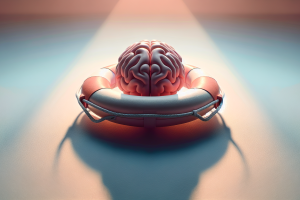
Do you feel mentally foggy and overwhelmed after a day filled with notifications, tabs, and endless streams of content?
Buy The Guide: Reducing Digital Overload To Restore Mental Clarity
Reducing Digital Overload To Restore Mental Clarity
You’re not alone — digital overload is a modern challenge that interferes with your ability to think clearly, manage emotions, and perform effectively. This article guides you through practical mental fitness practices, routines, and techniques to reduce digital overload and restore your mental clarity. You’ll find clear steps, exercises, sample schedules, and troubleshooting tips to help you create sustainable change.
What is digital overload and why it matters to your mental clarity
Digital overload happens when the amount, variety, and speed of digital information exceed your capacity to process it healthily. When your attention is constantly pulled in multiple directions, your working memory, decision-making, and emotional regulation decline. Reducing digital overload is essential for protecting attention, improving focus, and maintaining a resilient mental state.
How mental fitness ties into reducing digital overload
Mental fitness is the set of skills, habits, and routines you cultivate to manage thoughts, attention, and emotional responses. Strengthening mental fitness gives you tools to resist distraction, recover from cognitive fatigue faster, and boost sustained performance. Think of mental fitness training as the workout plan for your attention, memory, and stress resilience.
Get The EBook On Reducing Digital Overload
The effects of digital overload on cognition and emotions
You may notice frequent mind wandering, decreased creativity, irritability, difficulty making decisions, and poor sleep after heavy digital use. Those symptoms point to cognitive strain and emotional fatigue, which erode your productivity and relationships. By addressing these effects directly, you create space for clearer thinking and better emotional balance.
Cognitive symptoms to watch for
You’ll often experience short-term memory lapses, trouble focusing for long stretches, slower problem solving, and difficulty prioritizing tasks. These are signs your cognitive resources are depleted and need replenishment through intentional mental fitness practices and digital habits.
Emotional and behavioral impacts
Digital overload can increase anxiety, frustration, and comparison-driven dissatisfaction. You might find yourself reactive in conversations, impulsive with decisions, or socially withdrawn. Building habits that reduce digital clutter helps restore more even mood regulation and improves interpersonal presence.
Your first step: self-assessment
Before you change habits, it helps to assess current patterns. Use this quick self-assessment table to get clarity on where digital overload is hitting you hardest.
| Area | Signs to notice | Rate 1–5 (low–high) |
|---|---|---|
| Attention | Frequent task-switching, trouble finishing tasks | |
| Emotional state | Irritability, anxiety tied to notifications or feeds | |
| Sleep | Difficulty falling asleep or waking unrefreshed after screen time | |
| Productivity | Long workdays with little progress, frequent context switching | |
| Relationships | Distracted during conversations, checking phone at meals |
Fill this table for yourself. Your ratings will help prioritize which areas to address first.
Core principles to reduce digital overload
Adopting the following principles will frame your approach and make change more achievable.
Principle 1 — Control input, don’t just react to it
You can’t eliminate information, but you can choose what to let into your attention. Curate feeds, unsubscribe ruthlessly, and choose fewer, higher-quality content sources.
Principle 2 — Design your environment for sustained attention
Your physical and digital environments either support focus or create friction. Set up a workspace, automate low-value tasks, and create cues that signal when it’s time to concentrate.
Principle 3 — Build mental fitness like you build physical fitness
Regular, short practices improve attention and resilience more than occasional extreme efforts. Train your attention consistently with small, repeatable exercises.
Principle 4 — Make change gradual and measurable
Small habit changes that you can track are more likely to stick. Use timeboxing, habit tracking, and regular reflections to reinforce progress.
Practical techniques to manage notifications and interruptions
Notifications are designed to interrupt. Reclaim your attention with the following changes.
Notification hygiene
Turn off non-essential notifications on phone and computer. Keep notifications for critical places only (e.g., urgent work channels). You’ll notice fewer reactive pulls and more uninterrupted work time.
Steps:
- Audit all notification sources.
- Keep only 1–3 essential apps with permission to notify.
- Use bundled notifications or summary modes where possible.
Timebox and batch communications
Check email, messages, and social media at scheduled windows rather than continuously. This reduces context switching and allows deeper concentration.
Suggested schedule:
- Morning: 30–45 minutes for email triage.
- Midday: 20–30 minutes for communications.
- Late afternoon: 15–20 minutes for final replies.
Use “Do Not Disturb” and focused modes
Enable focused modes during deep work blocks and while sleeping. Many devices allow exceptions for important contacts so you can stay reachable in emergencies.
Mental fitness exercises to strengthen attention and clarity
Build a set of short daily exercises that train attention, working memory, and emotion regulation. These are the mental fitness tools that give you lasting benefit.
Focused attention practice (5–15 minutes)
Sit comfortably and choose a simple anchor (breath, sensations, sounds). When your mind wanders, gently return attention to the anchor.
Why it helps: Trains your brain to notice distraction and refocus, increasing sustained attention capacity.
How to do it:
- Sit quietly, set a timer for 5–15 minutes.
- Follow your breath or a single sound.
- Note wandering thoughts without judgment and return to the anchor.
Pomodoro with reflective pauses (25/5 or 52/17)
Use work intervals followed by short breaks, then a longer break after several cycles. During breaks, do a micro-reflection or movement to reset attention.
Benefits: Encourages sustained work while preventing cognitive fatigue.
How to do it:
- Work 25 minutes, break 5 minutes — repeat 4 times, then take a 20–30 minute break.
- Use breaks for standing, breathing, or a brief tidy-up.
Working memory booster (10 minutes)
Try simple n-back tasks, mental arithmetic, or memory games that require holding and manipulating information.
Why it helps: Strengthens the ability to manage information without immediate external aids, reducing compulsive device checking.
How to do it:
- Use an app or offline exercises: recall a sequence of numbers backward, or track items mentally while you walk.
Emotion regulation micro-skills (3–7 minutes)
Practice box breathing (4–4–4–4), label emotions (“I feel anxious”), and do a 1-minute gratitude scan.
Benefits: Lowers stress reactivity from constant inputs and improves composure when notifications spike.
How to do it:
- Take 4 seconds inhale, hold 4, exhale 4, hold 4. Repeat for several cycles.
- Label feelings and re-center attention after notifications.
Sample daily routines to reduce digital overload
Create a daily structure that balances periods of focused work, communication windows, and restorative activities. Use this sample as a template and adapt it to your needs.
| Time | Activity | Purpose |
|---|---|---|
| 6:30–7:00 | Morning movement + brief breathing | Wake the body and set intention without screens |
| 7:00–7:30 | Low-stimulation routines (journal, plan) | Prepare mentally for the day |
| 8:00–10:30 | Deep work block (no notifications) | High-focus productivity |
| 10:30–11:00 | Break + short walk | Cognitive reset |
| 11:00–12:00 | Communication window (email/messages) | Batch responses |
| 12:00–13:00 | Lunch (no screens) | Rest and replenish |
| 13:00–15:00 | Second focus block | Continue priority work |
| 15:00–15:30 | Break + mental fitness exercise | Rebuild attention |
| 15:30–17:00 | Collaboration and meetings | Social/interactive work |
| 17:00–18:00 | End-of-day review + planning | Close the loop |
| 18:00–evening | Evening rituals (dinner, family, low-tech leisure) | Strengthen sleep and relationships |
Customize durations and blocks to match your work demands and personal rhythm.
Weekly routines and mental fitness training plan
Consistency matters. Use this weekly plan to mix longer practice sessions with recovery.
| Day | Focus | Practice |
|---|---|---|
| Monday | Attention | 15–20 min focused attention practice; structured deep work |
| Tuesday | Working memory | 10 min working memory exercises; batch communications |
| Wednesday | Movement + stress resilience | 20 min aerobic activity + breathing practice |
| Thursday | Creative/offline | 30–60 min creative hobby with no digital tools |
| Friday | Reflection | 20 min review of wins and adjustments; social time |
| Saturday | Low-tech day | Limit screens, enjoy nature or in-person activities |
| Sunday | Planning | Plan week, set tech rules, prep for Monday |
This schedule balances training with rest and meaningful non-digital activities, which is a core component of mental fitness development.
Techniques to simplify your digital environment
Your digital environment includes apps, files, and account settings. Simplifying it reduces cognitive load and stress.
Declutter your digital space
Archive old files, unsubscribe from newsletters, and remove apps you don’t use. A cleaner digital space reduces the friction of finding what matters.
Steps:
- Unsubscribe from 10 newsletters per week.
- Delete or archive old files into organized folders.
- Remove apps unused for over 3 months.
Limit the number of active apps and feeds
Choose a single app for each major need (communication, calendar, notes) to reduce context switching. Consolidating tools tends to reduce the mental effort of switching between ecosystems.
Use minimalistic home screens and tab management
Organize your phone and browser so the most important tools are easy to reach, and distracting apps are less accessible. Consider browser tab managers to limit open tabs.
Tools and technology that help — used intentionally
Technology can be part of the solution if used intentionally. Use apps for focus, automation, and habit tracking rather than letting them drive your attention.
Recommended types of tools:
- Focus timers (e.g., timers, Pomodoro apps)
- Website blockers and app limiters
- Task managers with clear priority queues
- Habit tracking apps for consistency
- Noise-cancelling headphones for environmental control
Use tools as assistants: set rules for when and how they will be used so they don’t become new sources of distraction.
Creating digital boundaries with others
To reduce overload, you’ll often need to set expectations with colleagues, friends, and family about response times and availability.
Communicate your availability
Tell key people your preferred communication windows and emergency procedures. Clear boundaries reduce pressure to respond immediately and create predictability.
Sample message:
- “I check messages at 11 AM and 4 PM. If something is urgent, text ‘URGENT’ and I’ll respond.”
Lead by example
When you model digital boundaries (e.g., no phones in meetings), others are more likely to respect similar rules.
Measuring progress and staying motivated
Track small metrics that reflect clarity and attention rather than just screen time. Use subjective and objective measures together.
Examples:
- Subjective: Daily mental clarity rating (1–10), stress level, sleep quality.
- Objective: Number of deep work hours, number of notifications turned off, number of days with no screens after dinner.
Keep a simple journal or use a habit tracker to maintain momentum. Celebrate incremental wins — greater clarity feels like regained freedom.
Troubleshooting common challenges
Change isn’t linear. Expect setbacks and have strategies ready.
“I can’t stick to tech-free breaks”
Start with very small commitments, like one 10-minute tech-free pause each day, and gradually extend the duration.
“I feel out of the loop when I check less”
Designate people/channels as essential. You don’t need to be everywhere. A short daily update can keep you informed without constant checking.
“Notifications still hijack me”
Re-assess notification permissions and mute noisy group chats. Consider a full digital Sabbath once per week to reset habits.
Advanced mental fitness strategies
Once basic routines stick, add deeper practices that further restore clarity and resilience.
Mindfulness-based attention training
Longer meditation sessions (20–40 minutes) several times per week deepen attentional control and reduce reactivity to digital stimuli.
Cognitive reframing and values clarification
Clarify what matters most to you. When values are explicit, you make fewer impulsive decisions driven by algorithms or social pressure.
Periodic digital minimalism experiments
Try a 7- or 30-day period of significant tech reduction to learn what you truly miss and what improves. Use the insights to redesign your long-term practices.
Example 30-day plan to reduce digital overload (actionable)
Follow this progressive plan to build sustainable change in one month.
Week 1 — Awareness and minor edits:
- Audit notifications; turn off non-essentials.
- Create two daily communication windows.
- Start 5-minute focused attention practice daily.
Week 2 — Environment adjustments:
- Remove 5 unnecessary apps.
- Create a dedicated workspace and declutter it.
- Implement Pomodoro for two 90-minute deep work segments each day.
Week 3 — Habit formation:
- Establish screen-free meals and one hour before bed.
- Increase focused attention practice to 10–15 minutes.
- Introduce a weekly low-tech afternoon.
Week 4 — Refinement and resilience:
- Set weekly digital Sabbath of half a day or full day.
- Add a creative offline hobby session twice per week.
- Review outcomes and set rules for ongoing maintenance.
When to seek professional help
If digital overload is tied to anxiety, depression, or compulsive behaviors that interfere with daily life, consider consulting a mental health professional. Mental fitness practices are powerful, but clinical support complements them when necessary.
Maintaining gains long-term
The goal isn’t a one-time detox but an ongoing mental fitness practice. Keep these long-term habits:
- Regular short attention exercises.
- Routine audit of your digital environment every month.
- Clear communication norms with people around you.
- Regular periods of low-tech or no-tech rest.
Quick-reference tables
Practical quick guides to use regularly.
Table: Common distractions and immediate fixes
| Distraction | Immediate fix |
|---|---|
| Social media notifications | Turn off app notifications; set a single daily check window |
| Email pings | Turn off push notifications; use scheduled email checks |
| Open tabs | Use tab manager; bookmark and close |
| Multitasking | Use single-task time blocks (Pomodoro) |
| Late-night scrolling | Remove devices from bedroom; use bedtime mode |
Table: Mental fitness exercises summary
| Exercise | Duration | Benefits | How to do it |
|---|---|---|---|
| Focused attention | 5–20 min | Improves sustained attention | Anchor on breath, return when distracted |
| Pomodoro | 25/5 or 52/17 | Balances deep work and rest | Timebox work and breaks |
| Working memory drills | 5–15 min | Strengthens mental juggling | N-back, recall sequences |
| Box breathing | 2–5 min | Reduces stress | 4-4-4-4 breathing cycles |
| Gratitude scan | 1–3 min | Improves mood and focus | List 3 things you appreciate |
Final notes and a simple starting checklist
You can improve mental clarity by treating attention as a skill and applying consistent mental fitness habits. Start small, measure often, and adjust.
Simple starting checklist:
- Turn off non-essential notifications today.
- Designate two daily communication windows.
- Try a 5-minute focused attention practice now.
- Remove one app you don’t use.
- Plan one screen-free meal this week.
You already have the most important resource: intention. Use these practices to shape your digital life so it supports the clarity, creativity, and calm you want.
Purchase The Digital Detox Guide For Mental Clarity
Unity Oneness Project Please note: all our products we sell go directly to the Unity Oneness Project so please support us, thank you.