


Seeing a spider at home can make an ordinary task feel suddenly urgent. You may want to leave, call someone, search every corner, or get the animal out immediately. A short plan prepared in advance can reduce the number of decisions you make while frightened. This article offers a calm sequence for a sighting, with room for local safety guidance and your own limits. It contains no surprise spider photographs or instructions to touch one.
First, decide whether the situation needs medical or local safety help
If someone has been bitten and develops concerning symptoms, seek appropriate medical advice promptly. If you suspect a medically significant spider in your area, follow reliable local guidance and contact qualified pest-control or health services as needed. Do not handle an unfamiliar animal to identify it. The CDC provides general information about venomous spiders relevant to outdoor workers in the United States; species and risks differ by place. A web article cannot identify a spider at your home or assess a bite remotely.
For a sighting without an immediate danger, give yourself a moment. You can step away from the animal and choose a clear route out of the room. If there is a child or pet nearby, calmly guide them away if it is safe to do so. The aim is to create space to think. You are not required to prove that you can stay beside the spider while feeling alarmed.
Notice the facts you can verify: the last place you saw it, whether the room can be closed, and whether another person can help. Avoid turning uncertainty into a detailed imaginary scenario. “I saw it near the window and closed the door” is useful information. “It must now be everywhere” is a prediction that may increase distress without improving your plan.
Choose a practical household response
If a willing household member can manage the sighting, ask clearly: “Please check the area by the window and tell me when you are finished.” Avoid asking them to stage a demonstration or make promises that no spider will ever enter again. If you are alone, you can leave the room and decide whether to contact someone qualified for advice. The University of Minnesota Extension offers general household spider information and prevention guidance; your local extension or pest service may have more relevant regional details.
Some people prefer to wait in another room before returning to their task. Others want a practical inspection of the immediate area. Keep the response proportionate to the situation and what local safety information supports. Repeatedly checking every corner for hours can become a burden in its own right. If that happens often, the pattern is worth discussing with a mental health professional, even if a one-time inspection was reasonable.
If you are considering pest-control products, follow the product label and local advice. Children, pets, ventilation, and the particular setting matter. A fear of spiders is not a reason to take unneeded risks with chemicals or make a large purchase under pressure. Ask a qualified service provider what they will do and why. Many household questions have practical answers that do not require a dramatic response.
Help your body catch up with the facts
After you reach a safe place, pause and describe what has actually happened. Put both feet on the ground or sit somewhere comfortable. Breathe in a way that feels natural rather than forcing a particular rhythm. Notice the room you are in and the support you have available. These ordinary orientation steps do not treat a phobia, but they can make it easier to decide what to do next.
If your mind keeps returning to the animal's possible location, name the uncertainty without claiming certainty you do not have. “I do not know where it is; the door is closed; I can ask for help” is more useful than a long search for perfect reassurance. If you have had concerning physical symptoms that might be unrelated to anxiety, seek appropriate medical advice. Do not assume every physical symptom is caused by fear.
You can decide when to resume your activity. It is okay to ask someone else to collect an essential item from the room. It is also okay to return with a person you trust. What matters over time is whether your choices match your needs or whether fear increasingly shrinks your options. A clinician can help you assess that pattern without turning a household sighting into a moral test.
Make a plan when the room is calm
Write a brief agreement for future sightings. Who is comfortable dealing with a spider? Who can help children or pets move away? Which local source would you consult for identification or safety? Where are the numbers for a health professional or pest service if needed? A plan with clear roles prevents a frightened person from having to negotiate while distressed.
If you live alone, identify one person you can contact and one local source you trust. The plan might be: leave the room, close the door if possible, assess whether there is an actual safety concern, and contact help if you need it. Keep it short enough to remember. A multi-page checklist can make a rare event feel like an ever-present threat.
Discuss how others should speak to you. “Do not surprise me with pictures or hold a spider near me” is a reasonable boundary. Jokes intended to toughen someone up can damage trust and intensify fear. You can also ask for a factual update after another person has dealt with the situation. Neither silence nor a play-by-play of every movement is automatically helpful; decide what helps your household.
When the plan is no longer enough
A one-time fright is common. Consider professional support if sightings or the possibility of sightings lead you to avoid rooms, miss activities, lose significant sleep, or spend a great deal of time checking. The NHS and NIMH describe phobias and treatment options. You do not need to self-diagnose before asking for help. Explain what you experience and how it affects daily life.
At an appointment, you could say, “After a spider was in the bathroom, I could not use the room for two days. I checked other rooms repeatedly. I would like to know what help is available.” That account is concrete and does not require you to display an image or recreate the event. Ask the professional how they would approach your goal and what choices you have about pacing.
Do not attempt a surprise exposure exercise on yourself or another person because you read that exposure-based therapy can help phobias. In a clinical setting, treatment is structured and collaborative. A web page cannot know your medical history, circumstances, or preferences. It can help you prepare questions for a qualified clinician.
Questions people ask after a sighting
Should I immediately clean the whole house?
Not necessarily. A practical inspection or routine household maintenance may be appropriate, but an urgent deep clean may not address your actual concern. Consider local advice and the specific facts. If cleaning becomes a repeated ritual you cannot easily stop, mention it to a professional.
What if I cannot find the spider again?
It is normal to dislike uncertainty. Close off the area if feasible, use an agreed household response, and decide what ordinary activity you need to resume. No person can guarantee an animal's exact location after it moves. If the uncertainty keeps you from using your home, professional support can help you work on that difficulty.
Should I ask someone to remove every spider for me?
That may be a workable immediate arrangement. If you depend on someone else for every visit to a room, discuss the effect on both of you and the activities you want to regain. A clinician can help you plan changes at an appropriate pace. Do not force independence overnight to satisfy someone else's standard.
Can an ebook replace pest or medical advice?
No. An educational ebook about spider fear may offer language for your feelings and everyday coping ideas. It cannot identify species, evaluate bites, or provide individualized treatment. Use the right source for the specific question you face.
Return to your day with a manageable next step
After the immediate situation is handled, choose one ordinary activity to resume. It might be finishing laundry, calling a friend, or writing down the plan for next time. If fear continues to disrupt your home life, take that observation to a qualified clinician. You do not need to dismiss your fear, nor do you need to let it make every decision for you.
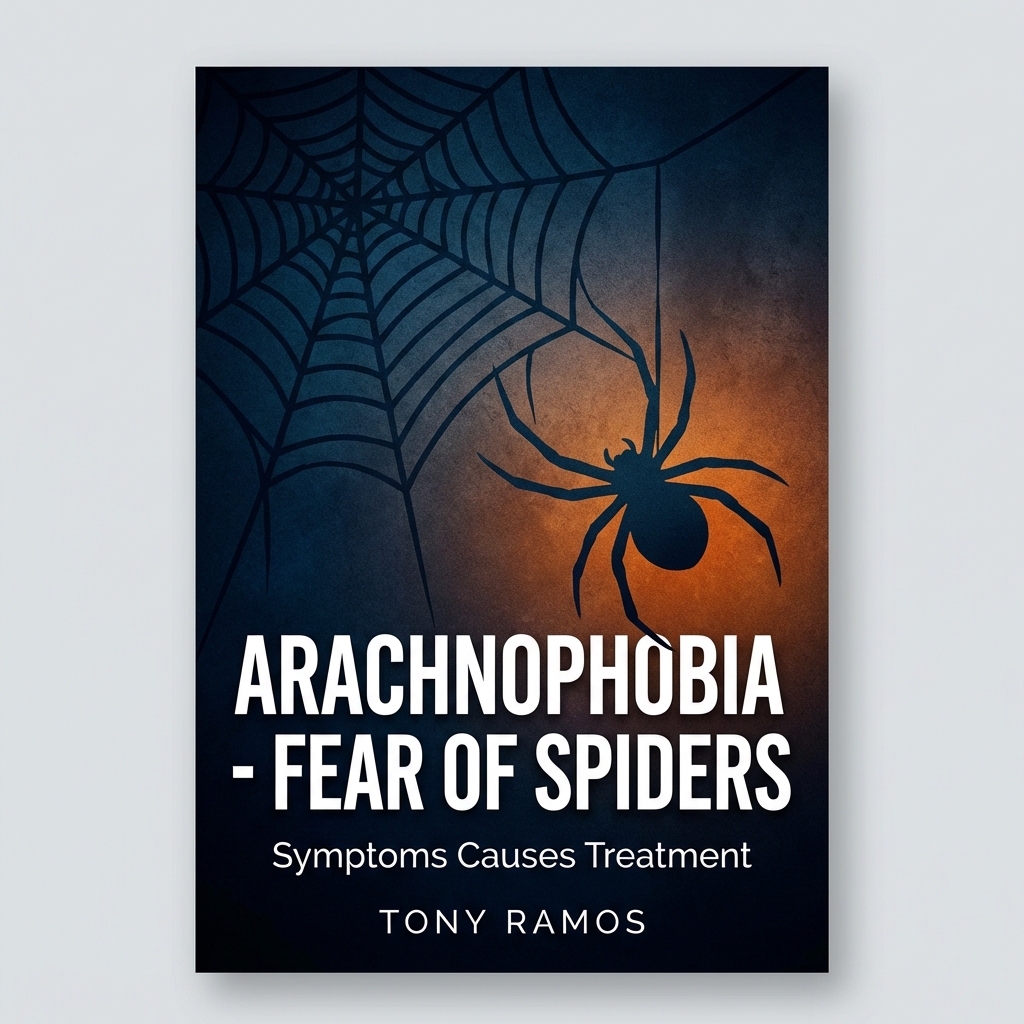
The Arachnophobia ebook is an educational $4.99 PDF download that discusses understanding fear of spiders and coping. Its role is to support reflection and conversation. For a possible bite or local animal safety issue, use appropriate medical and regional information. For persistent distress or avoidance, ask a mental health professional about assessment and care.
It may help to review your plan a day later. Which part was useful, and which part left you stuck? Update one sentence rather than adding many new rules. If another person helped, thank them and ask whether the arrangement was workable for them too. This kind of calm follow-up gives you a better household agreement without replaying the frightening moment in detail.
Sources and further reading
- NIMH, Phobias and Phobia-Related Disorders
- NHS, Phobias
- CDC/NIOSH, Venomous Spiders
- University of Minnesota Extension, Spiders
This educational article and ebook cannot identify spiders, assess a bite, diagnose a phobia, or replace individualized care. Seek appropriate local medical help for concerning bite symptoms and a qualified clinician for persistent fear or avoidance.
Explore the free companion articles
- Arachnophobia: Understanding Fear of Spiders Without Surprise Tests (Available September 29, 2026, 7:45 PM Pacific)
- A Spider in the House: A Calm Plan for the Moment (Available September 30, 2026, 9:10 AM Pacific)
- How to Support Someone Who Fears Spiders (Available September 30, 2026, 2:55 PM Pacific)
- Spider Fear and Avoidance: What to Tell a Clinician (Available September 30, 2026, 8:05 PM Pacific)
- Considering Exposure Therapy for Spider Fear: Questions to Ask (Available October 1, 2026, 8:27 AM Pacific)