



Fear of spiders can show up as a racing heart, an urge to leave, or hours spent checking a room after a sighting. The intensity of the feeling does not tell you that a spider is dangerous. It also does not mean you have failed a test of courage. A useful starting point is to separate what is happening in your body, what you know about the situation, and what support you would like. This guide explains arachnophobia in plain language and offers ways to think about the next step without surprise images or exercises.
What the word arachnophobia describes
Arachnophobia refers to a strong fear of spiders. People use the word casually, while clinicians may assess whether a particular fear meets the criteria for a specific phobia. A diagnosis requires more than disliking spiders. A clinician considers the degree of fear, avoidance, duration, context, and effect on everyday life. An online article cannot make that determination for you. You can still take your experience seriously without settling on a label.
One person may dislike a spider on a wall but carry on with their day. Another may stop using a room, avoid a garden, or lose sleep after thinking about a possible encounter. The visible animal, anticipated encounter, and uncertainty about where it went can each trigger a response. Fear can also arise from a picture, story, or memory. None of those reactions is a character flaw. Describing the specific trigger helps more than arguing about whether the fear is reasonable.
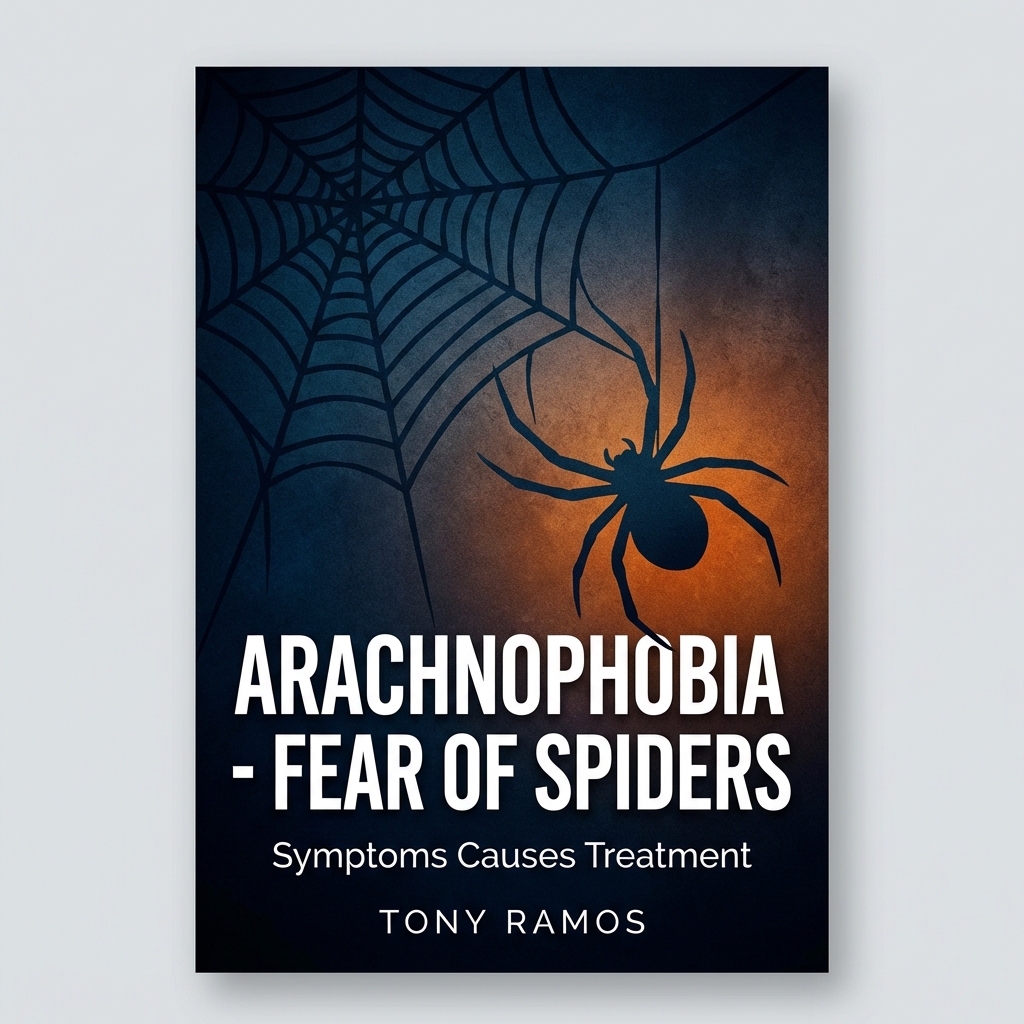
The educational Arachnophobia ebook introduces the topic and everyday coping ideas. It does not diagnose or treat a phobia. If fear limits your life or causes marked distress, a qualified mental health professional can discuss assessment and treatment options suited to you. You may decide to use an educational guide to prepare questions for that conversation.
Why a small animal can feel like a large threat
An alarm response is meant to draw attention and prepare action. When you are startled, your heart rate, breathing, muscles, and attention may change quickly. The sensation can be unpleasant, even when the actual situation turns out to be manageable. A person can know intellectually that most ordinary sightings are not emergencies and still feel frightened. Knowledge and bodily reactions do not always move at the same speed.
Past experiences, stories, the unexpected movement of an animal, and uncertainty can all shape expectations. You do not have to discover one dramatic origin story to explain your fear. Rather than trying to prove where it came from, notice what happens now: the setting, the thought that appeared, the physical sensations, what you did, and what happened afterward. That description can help you and a professional identify a workable goal.
Avoidance can provide immediate relief. Leaving the room, asking someone else to inspect it repeatedly, or checking every corner can reduce discomfort for a while. Sometimes these actions are simply practical. If they grow until you cannot use parts of your home or do necessary work, the pattern is worth discussing. The question is not whether you ever avoid a spider; it is whether fear has taken control of important choices.
Make room for safety and uncertainty
Do not handle an unknown spider to prove that you are brave. If there is a possible bite, a dangerous species in your region, or another physical safety concern, use reliable local guidance and appropriate medical or pest-control support. The CDC describes venomous spiders relevant to workers in the United States; local species vary. An article about fear cannot identify the animal in your room from a description and should not replace urgent care if you have concerning symptoms.
For an ordinary sighting with no immediate danger, you can first create distance and orient yourself. Notice where you are, whether you have a clear exit, and whether another person can help with a practical task. You do not need to touch, photograph, or stare at the spider. You can decide on a reasonable plan for the room before returning. If you share a home, agree on who will handle future sightings so the decision does not have to be made in a moment of panic.
The goal of a calm plan is to make the immediate situation more predictable. It is not a promise that fear will disappear. If you leave a room for a minute and return when you feel ready, that may be a reasonable choice. If you find that you cannot return for days, that information matters. Record it without judgment and consider asking for support.
A gentle way to describe your experience
Start with one recent example. Write where you were, what you saw or expected to see, what you felt, and what changed in your plans. “I saw a spider beside the laundry and asked someone to remove it” gives more information than “I am irrational.” Include how long the distress lasted and whether you avoided the room afterward. You do not have to force yourself to recreate the experience to make your account credible.
Then look for differences. Do images, real spiders, a particular room, or not knowing where the animal went create different reactions? Are there activities you still do comfortably? Those distinctions help define a useful goal. Someone whose main difficulty is sleeping after a sighting may need a different plan from someone avoiding outdoor work. A goal could be “use the laundry room again” or “talk about treatment without feeling rushed.”
If you want to speak with a clinician, bring these examples and describe what you hope to regain. Ask what assessment involves, what options they recommend, and how the pace of treatment is chosen. You may tell them that unexpected photographs or demonstrations are difficult for you. A collaborative professional should explain a proposed approach and invite questions.
What treatment discussions may include
The NHS and NIMH describe psychological treatments for phobias, including cognitive behavioral therapy and exposure-based approaches. Exposure in a clinical context is planned, discussed, and adapted to a person's needs; it is not an instruction to perform a frightening exercise from a web page. Medication may be discussed in some circumstances, but an individual decision belongs with a qualified clinician. This article cannot recommend a personal treatment or predict how quickly one will work.
An appointment can begin with your history and current difficulties. Ask how the clinician checks that an approach fits you, how consent works, and what happens if you become overwhelmed. You can also ask about practical obstacles such as availability, cost, accessibility, and remote appointments. If the first conversation does not answer your questions, asking for an explanation or another qualified opinion is reasonable.
Treatment goals need not be theatrical. You may care about opening a shed, sleeping in your bedroom, accompanying a child outdoors, or enjoying a visit with friends. These are concrete changes in daily life. A professional can help translate them into a plan with an appropriate pace. You remain a participant in that plan, not a subject of a surprise test.
Helping yourself without turning life into a test
Some people find it useful to prepare a short response for an unexpected sighting: step back, identify a clear route, ask a designated person for help if needed, and return to the task when ready. Keep the plan practical and proportionate. Repeated checking for certainty can sometimes keep attention fixed on a feared possibility. If that pattern is consuming time, describe it to a clinician rather than blaming yourself for it.
Consider the information you consume. A sensational video or close-up image may be upsetting without teaching you anything useful. You are allowed to choose educational material that uses clear language and no surprise pictures. If you are working with a clinician, ask how to handle material between appointments. Do not substitute internet challenges for an agreed care plan.
You can explain your needs to people nearby in simple terms: “I am frightened by spiders. Please tell me calmly if you need me to move, and do not put one near me as a joke.” A supportive response can reduce avoidable distress. Other people may be confused by a reaction they do not share; a clear request about their behavior is more useful than trying to persuade them to feel the same fear.
Common questions about spider fear
Does being afraid mean I have a phobia?
No single reaction settles that question. A clinician would consider the pattern, persistence, and impact on your life. You can seek help for distress even if you are uncertain which diagnostic term applies. Tell the professional what you are avoiding and what you would like to do again.
Should I look at spider pictures to get used to them?
Do not treat a page of images as an automatic treatment plan. Exposure-based treatment is typically structured with a qualified professional, informed by your situation and consent. Ask a clinician about suitable steps if you are considering that approach. This article deliberately includes no surprise images or exercises.
Is every spider in my home harmless?
No article can guarantee that. Species and risk depend on location, and identification can be uncertain. Follow credible local safety guidance and seek medical help for concerning bite symptoms. Practical safety and care for fear can both matter; you do not have to choose one concern over the other.
Can a short educational ebook fix the fear?
An educational resource may help you name a pattern, plan a conversation, or find a starting point. It cannot promise a cure or replace assessment and treatment. Check the ebook's description against what you need, and contact a qualified professional if the fear is persistent or disruptive.
Pick one useful next step
You might write down one recent example, arrange a calm household plan, or book a conversation with a clinician. Choose a step that serves your life rather than a performance for other people. If you are in immediate physical danger or have a concerning reaction to a bite, seek appropriate local medical help. If fear is the central difficulty, describe how it affects your days and ask for a collaborative plan.
The Arachnophobia ebook is a $4.99 educational download about understanding spider fear and everyday coping. It can help you reflect and prepare questions. It is not a diagnosis, a treatment program, or a guarantee of a particular outcome. Your next step can be modest, informed, and entirely yours.
Sources and further reading
- NIMH, Phobias and Phobia-Related Disorders
- NHS, Phobias
- CDC/NIOSH, Venomous Spiders
- University of Minnesota Extension, Spiders
This educational article and ebook cannot identify spiders, assess a bite, diagnose a phobia, or replace individualized care. Seek appropriate local medical help for concerning bite symptoms and a qualified clinician for persistent fear or avoidance.
Explore the free companion articles
- Arachnophobia: Understanding Fear of Spiders Without Surprise Tests (Available September 29, 2026, 7:45 PM Pacific)
- A Spider in the House: A Calm Plan for the Moment (Available September 30, 2026, 9:10 AM Pacific)
- How to Support Someone Who Fears Spiders (Available September 30, 2026, 2:55 PM Pacific)
- Spider Fear and Avoidance: What to Tell a Clinician (Available September 30, 2026, 8:05 PM Pacific)
- Considering Exposure Therapy for Spider Fear: Questions to Ask (Available October 1, 2026, 8:27 AM Pacific)